

About Mount Tomber Bee Sanctuary
We are a Queensland charity educating communities to strengthen honey bee resilience through curriculum-aligned storytelling, responsible rehoming of unwanted colonies, and the restoration of flowering forage.
Registered charity (ABN): 87692896129
The Challenge
Honey bees face increasing pressure from habitat change, pests, and shifting land use. Reduced pollination activity affects flowering plants, agricultural systems, and landscape productivity.
Our Vision
We envision resilient landscapes where honey bees thrive, children grow up scientifically curious, and communities take informed action to support pollination systems.
Our Approach
We combine three practical pillars — responsible colony rehoming, flowering forage improvement, and story-driven education — so that learning and practical action strengthen honey bee systems together.
Where we are
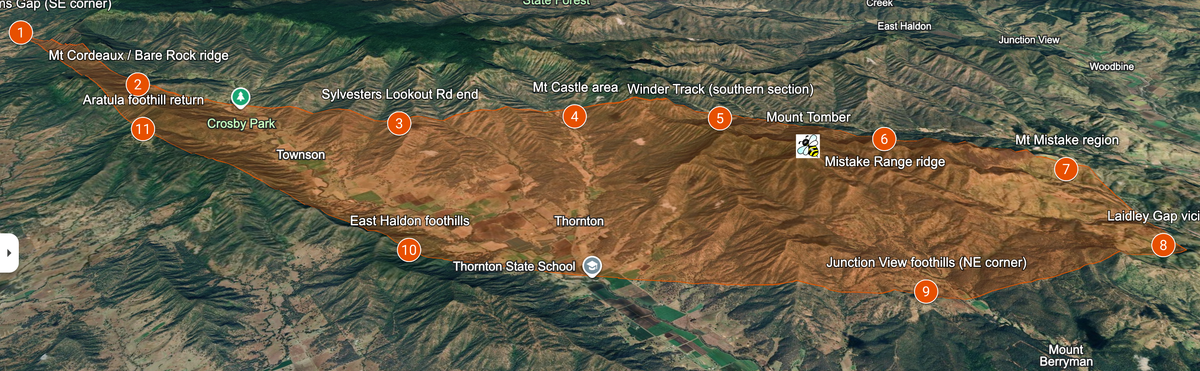
Mount Tomber Bee Sanctuary is based in the Mistake Mountains Range in South East Queensland — a landscape that shapes everything we do.
Who this site is for
Whether you’re a family, a classroom, a backyard beekeeper, or a potential partner — you’ll find resources, stories, and ways to get involved.
We keep our language engaging for young learners and grounded for adults — stories spark curiosity, and informed action creates measurable impact.
Impact & Targets
We set ambitious, measurable targets to guide our work and maintain transparency.
- Hives — Target: 10,000 managed colonies
- Forage & pollination supported — Target: 50,000 hectares influenced
- Schools & classrooms engaged — Target: 5,000 classrooms reached
These are long-term aspirational targets and will evolve as our programmes grow.
Note: formal support and funding pathways are being developed and will be published here when available.
1 Billion Bees Initiative
Our long-term goal is to support the pollination capacity equivalent of 1,000,000,000 bees (approximately 10,000 healthy, responsibly managed hives) through education, rehoming, and improved flowering forage.
Where to next?
Explore more ways to learn, get involved, and support our work.
Explore Education →
Discover free stories, classroom resources, and bee learning activities.
Learn About Rehoming →
Learn how colony rehoming works and when to get in touch.
Support Free Bee Education →
Help us keep bee and pollinator education free and growing.
Contact Us →
Reach out if you would like to connect, collaborate, or ask a question.